The "Key Player" Behind the Scenes of CHAGEE Revealed: Technological Leadership Extending Beyond a 2‰ Dispensing Error Rate
2026-02-04
 

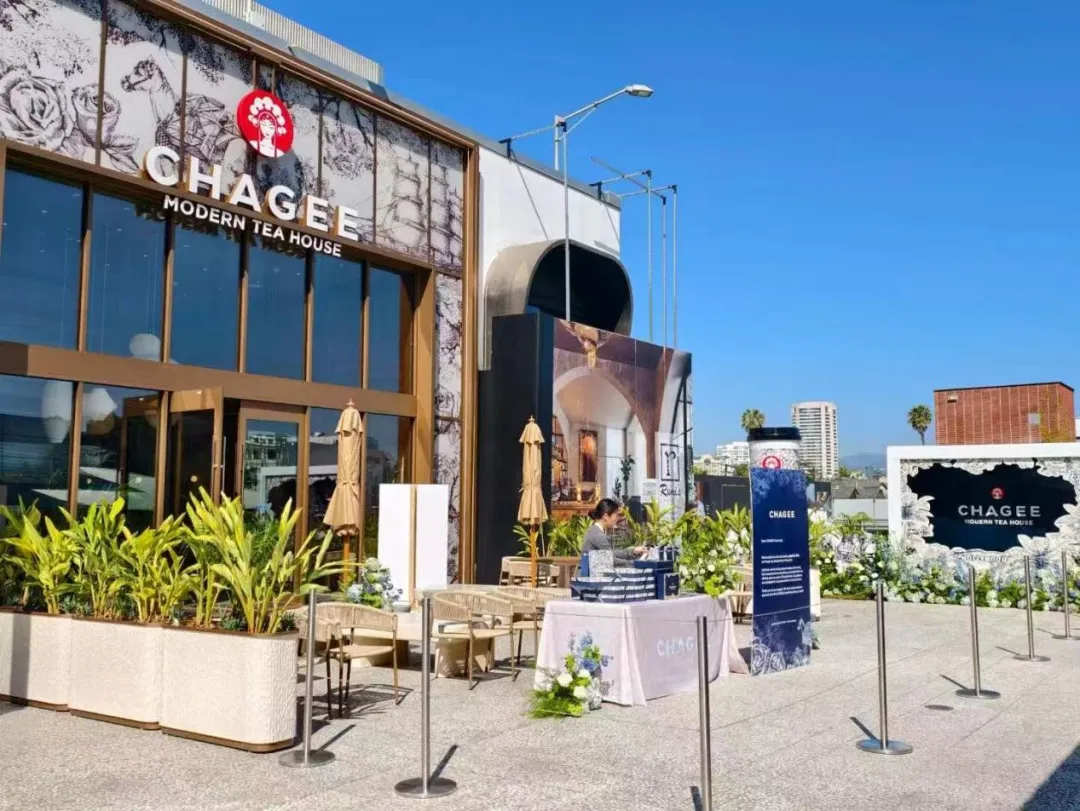
Branded as “the first Chinese tea beverage company listed on a U.S. stock exchange,” CHAGEE has attracted significant attention in international capital markets.


At the same time, the intelligent technology company operating behind the scenes has also come under industry scrutiny. As a critical force enabling the modernization and globalization of Eastern tea, its smart beverage dispensing delivers a daily capacity of over 5,000 cups per machine, with a variance rate as low as 2‰.


What other substantial capabilities does it possess?


01 CHAGEE Identifies "Intelligent Technology" as a Core Competitive Advantage


According to CHAGEE’s IPO prospectus, “technology-driven modernization” is explicitly listed as a core competitive advantage. Throughout the document presented to global investors, one key message is repeatedly emphasized: CHAGEE is redefining the modern expression of a thousand-year-old tea culture through digitalization and automation.


微信图片_20250512162057.png


The most prominent manifestation of this initiative is its co-developed smart freshly-made beverage dispensing solution with its supply chain partner—TEDIA.


微信图片_20250512162118.png


Since April 2021, TEDIA has been deeply involved in CHAGEE’s globalization journey as a strategic partner, supporting and witnessing the brand’s evolution from “seeing the world,” to “engaging with the world,” and ultimately to “establishing a new global standard.”


Today, TEDIA’s intelligent beverage solutions have delivered impressive results. As of now, they have been deployed across 390 cities in 28 countries and regions, with the cumulative number of beverages produced exceeding 3.6 billion cups.


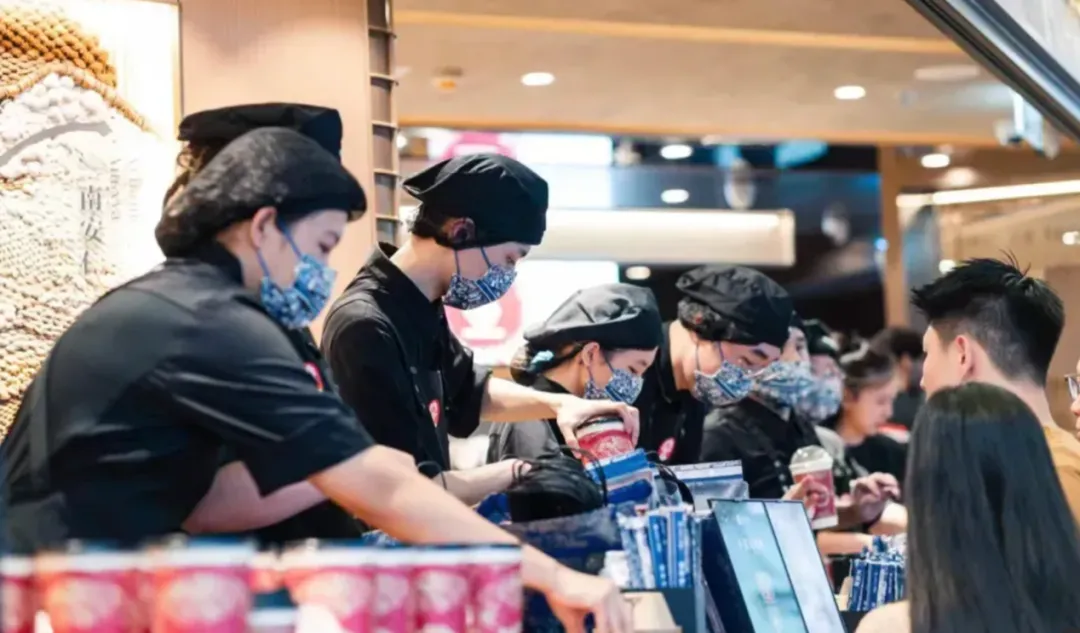
In CHAGEE's store operations, TEDIA smart beverage dispensing achieves an average output speed of 8 seconds per cup, while maintaining a stable variance rate of below 2‰, ensuring consistent taste and quality across all stores and every single cup.


"Only by utilizing modern equipment and management tools to achieve extreme standardization in the production of a cup of Oriental tea can we create the opportunity for modern Oriental tea to reach an international audience," stated CHAGEE founder Zhang Junjie at the Modern Oriental Tea Innovation Forum—a vision now substantiated.


CHAGEE’s listing on Nasdaq has become a significant milestone in the technology-driven transformation and upgrading of the tea beverage industry.


02 8 Seconds per Cup, 0.2% Variance: How Is the “CHAGEE Speed” Achieved?


While the industry focuses on CHAGEE’s front-end strategies, the intelligent beverage technology system and digital solutions built by TEDIA are fundamentally reshaping the underlying business logic of tea beverages.


1.Upgraded Standardization: From New Hire to Skilled Operator in SecondsEquipment capacity: 5,000+ cups per day


For tea beverage stores, food safety is the lifeline, and standardization is the growth engine. Fast output, stable quality, and consistent flavor are critical operational capabilities that determine the expansion speed of a chain brand.


微信图片_20250512162155.png


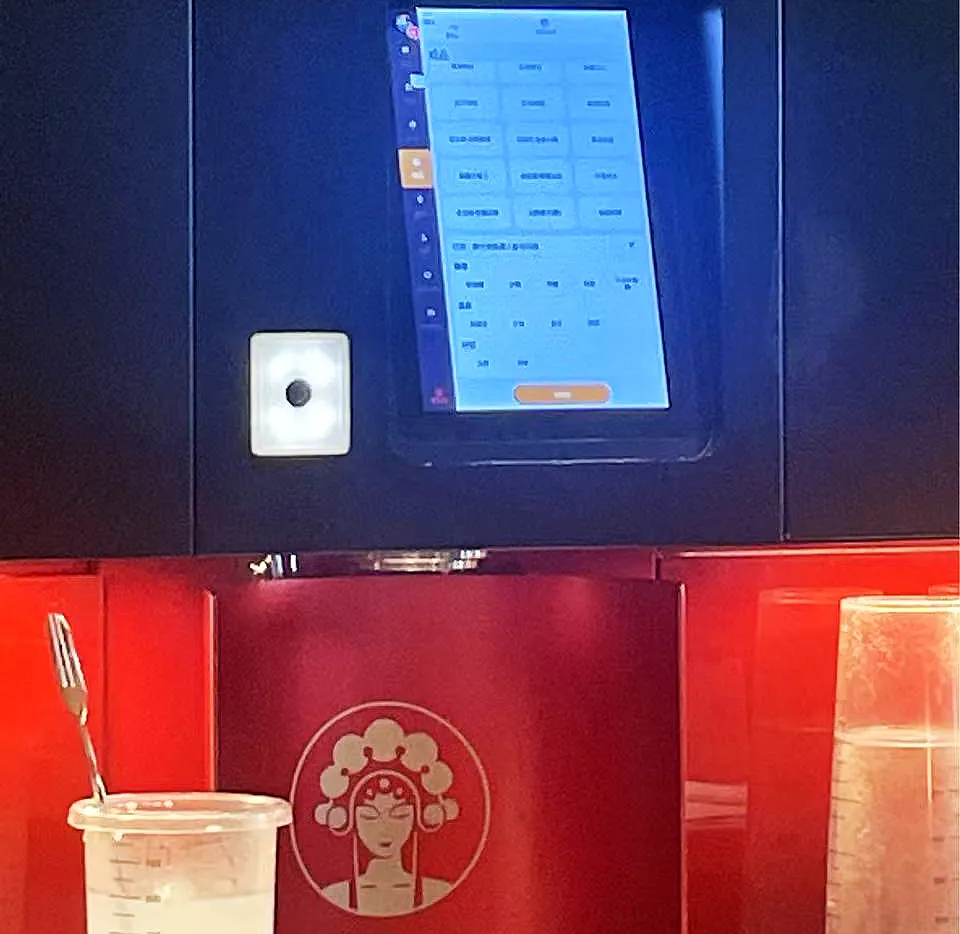
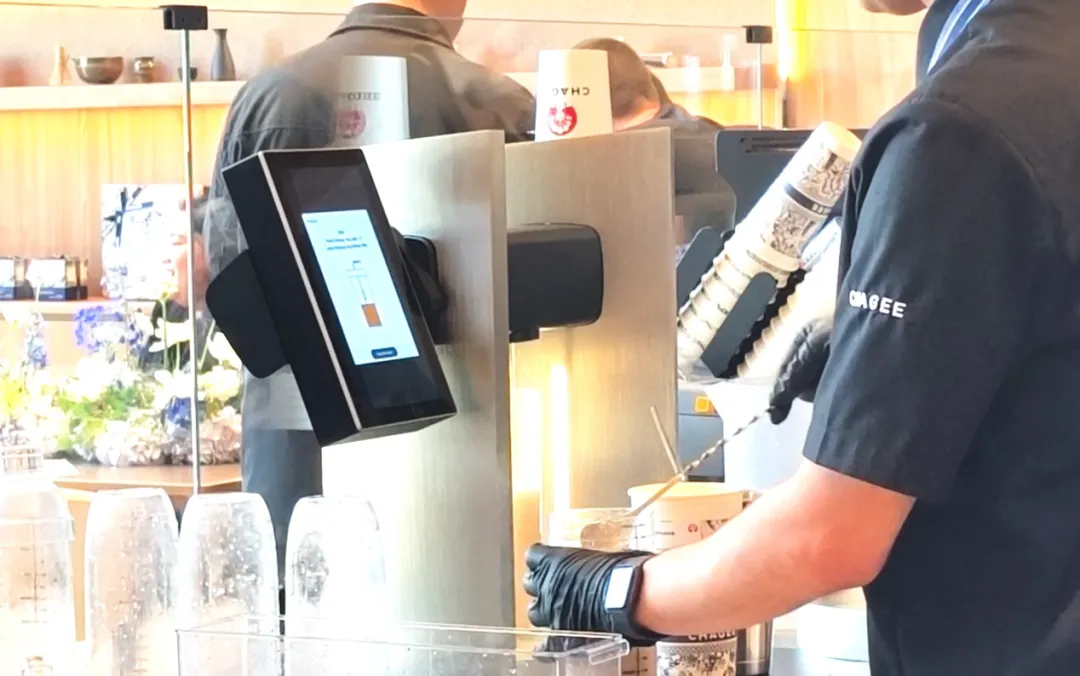
In CHAGEE stores, intelligent tea-making machines produce a drink in an average of 8 seconds, meaning consumers often receive their beverage immediately after placing an order.


The equipment supports centralized cloud-based recipe management. Headquarters can distribute standardized recipe parameters with one click, allowing new employees to produce drinks simply by selecting or scanning—eliminating the need for memorization and preventing human errors such as over-dispensing.


微信图片_20250512162226.png


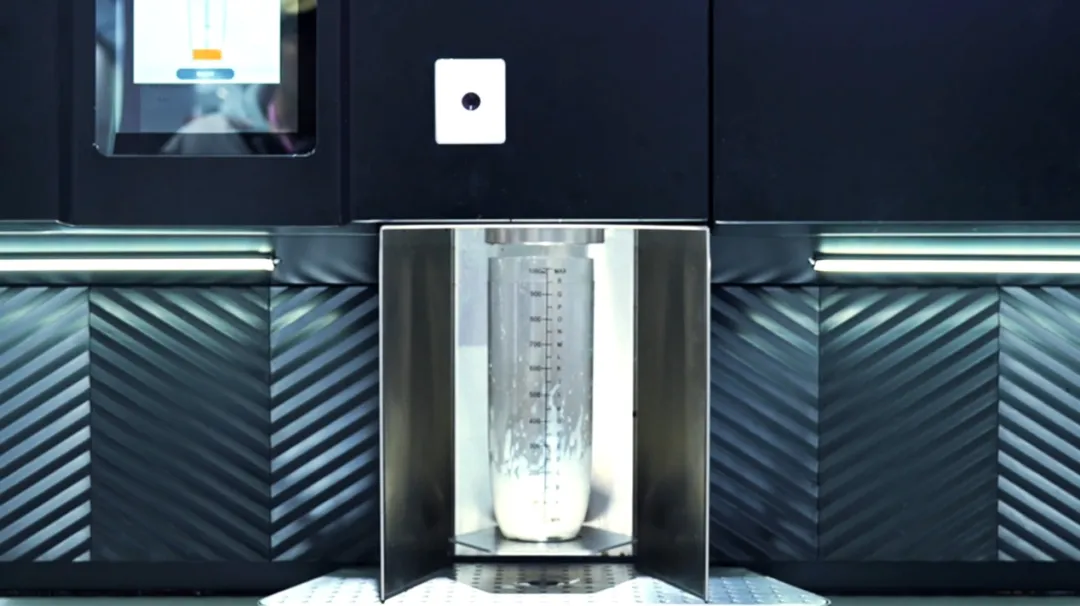
In addition, TEDIA’s patented dual closed-loop weighing and feedback dispensing algorithm ensures that per-cup variance remains within 2‰. This effectively eliminates regional differences, enabling consumers to enjoy the same flavor whether they are in Los Angeles or Yunnan.


Thanks to its high-performance platform and system architecture, TEDIA’s intelligent beverage equipment can easily handle high concurrency during peak hours. With a single-machine capacity of over 5,000 cups per day, it serves as a reliable stabilizer during traffic surges, enabling one machine to support an entire day’s operation even at peak demand.


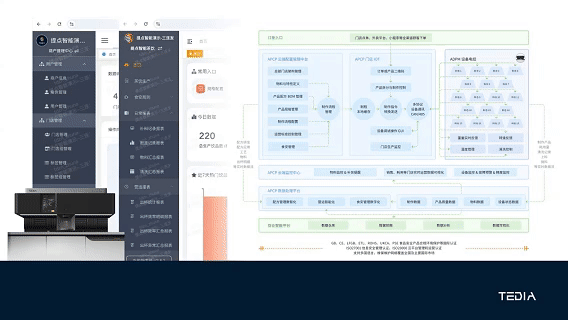
Dispensing speed, dispensing precision, and large-scale high-concurrency stability are the primary capabilities evaluated by mid-to-large beverage brands when selecting intelligent beverage solutions. Leveraging over 17 years of experience in information systems for large chain foodservice enterprises, TEDIA provides a global-grade system architecture capable of supporting hundreds of billions in annual incremental data volume.


微信图片_20250512162236.png


2.  Precision Innovation: Recording Consumption Preferences, Enabling Data-Driven Decision Making


Beyond rapid standardized production, TEDIA’s intelligent beverage equipment and systems continuously collect and analyze real-time order data, providing strong data support for brand decision-making and significantly improving management and operational efficiency.


The system functions as an all-in-one operational manager for stores, covering every stage from order intake and dispatch to ingredient dispensing and production monitoring. All data is uploaded in real time, recording ingredient usage per cup and tracking hygiene and food safety processes, ensuring that every step follows established standards.


These capabilities directly enhance operational efficiency:


  • Global operational transparency: Brand headquarters can monitor real-time data from any store worldwide, regardless of distance.

  • Optimized resource allocation: Intelligent algorithms support demand forecasting, inventory planning, and order balancing.

  • Data-driven product innovation: Massive volumes of accumulated consumer data feed back into product development, allowing new launches to be based on real data rather than intuition, resulting in more scientific and responsive innovation aligned with consumer preferences.


微信图片_20250512162245.png


3. Protecting Single-Store Profitability: Reduced Labor Costs and Controlled Material Waste


Standardized operations enabled by intelligent beverage equipment significantly reduce reliance on labor while minimizing raw material waste and improving overall efficiency.


On one hand, fully automated production relieves employees of production pressure, substantially reducing training costs and losses associated with staff turnover, thereby lowering labor dependency.


微信图片_20250512162257.png


On the other hand, AI algorithms dynamically and precisely control ingredient dispensing, reducing material waste caused by manual preparation and effectively lowering raw material consumption. This helps control costs, improve operational efficiency, and safeguard store-level profitability.


The system not only supports rapid brand expansion but also provides long-term protection for single-store margins.


Notably, TEDIA’s intelligent beverage equipment has obtained major global safety and food hygiene certifications, including ETL, CE, CB, FDA, KC, LFGB, UKCA, and PSE, as well as ISO 27001 (Information Security Management) and ISO 20000 (IT Service Management) certifications.


The equipment features intelligent user interfaces supporting Chinese, English, and other major global languages, effectively removing regional barriers and enabling flexible global hiring.


03 Next-Generation Intelligent Equipment on the Way: Technology Infrastructure to Capture Greater Market


As new tea beverage brands expand beyond Southeast Asia into Japan, South Korea, Europe, North America, and the Middle East, the globalization of tea beverages has entered a new stage.


As a representative brand, CHAGEE plans to open 1,000 to 1,500 new stores globally in 2025, with its first North American store launching simultaneously. Funds raised from its U.S. listing will be used for store expansion, product innovation, overseas supply chain development, and digital upgrades.


微信图片_20250512162307.png


Against this backdrop, CHAGEE continues to deepen its application of intelligent technology across the entire industry chain.


In its prospectus, the company states that it will continue increasing investment in technology to further enhance automation, standardization, and digital capabilities. Its core strategy is to use intelligent technology as foundational infrastructure to improve efficiency from store operations to the supply chain, ensuring stable flavor profiles and consistent product quality.


According to informed sources, building on the technological foundation of existing intelligent tea-making equipment, CHAGEE is jointly developing next-generation intelligent equipment with its strategic partner, TEDIA.


Meanwhile, TEDIA’s overseas business is expanding rapidly. The company has established strategic partnerships with multiple internationally renowned restaurant and convenience store groups and has entered the phase of large-scale deployment.


微信图片_20250512162314.png


From ingredient traceability to store operations, from new product development to consumer insights, data intelligence is reshaping the industry ecosystem. Particularly in cross-cultural market expansion, intelligent beverage preparation and digital management systems are essential for maintaining consistent quality and efficient operations.


Through its integrated “equipment + system + customer success services” solution, TEDIA is not only enabling chain tea beverage brands to achieve standardization, scalability, and globalization, but also helping Eastern tea reach global markets in a more standardized and modern form.


The globalization of Eastern tea is a shared objective across the new tea beverage industry, and intelligent innovation is the key driver of its continued evolution.

It is increasingly evident that future global market share in freshly made beverages will first concentrate among brands that have successfully completed their technology infrastructure build-out.